What Causes Cannabis-Induced Paranoia?
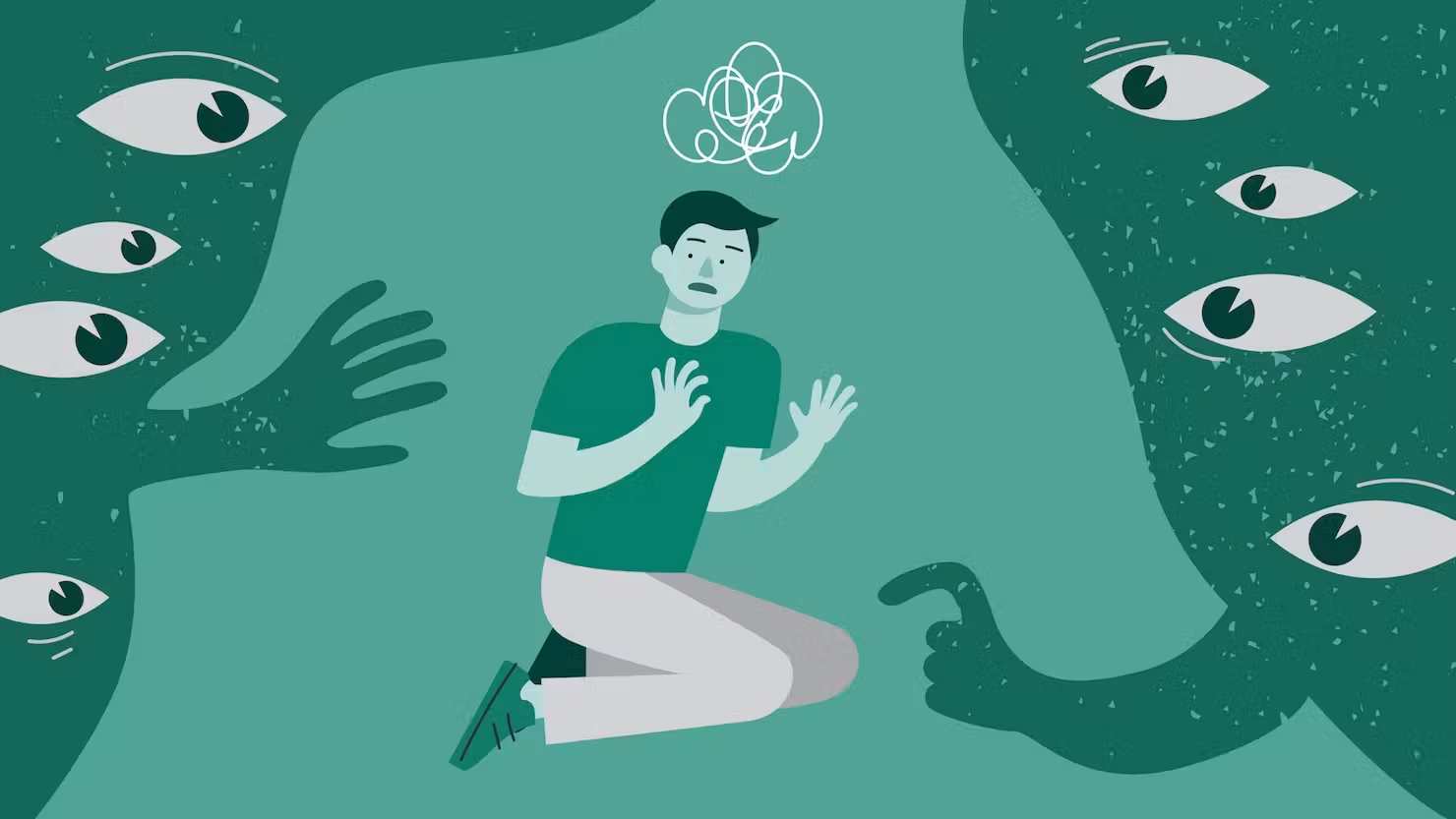
Cannabis affects everyone differently, and while many people report feeling relaxed or euphoric, others experience the opposite — a racing heart, heightened anxiety, or a creeping sense that something is wrong. This reaction, often described as cannabis-induced paranoia, is a real and fairly common experience, especially at higher doses or with certain product types. Understanding why it happens can help make cannabis use more predictable and manageable, whether you’re new to it or a longtime user who’s had an occasional bad session.
Smoothie Bars Carts — Potency and Paranoia Risk
One of the biggest factors behind paranoia is simply how much THC enters your system at once, and product format plays a real role here. Smoothie Bar cart, like most vape cartridges, deliver a concentrated, fast-acting dose of THC compared to lower-potency flower. That speed and concentration can catch people off guard — vaping delivers THC to the bloodstream much faster than edibles, and often faster than smoking flower, which means effects (including unwanted ones like paranoia) can hit harder and sooner than expected if you’re not accounting for potency.
This isn’t specific to any one brand — it’s a general property of concentrated vape products. Starting with smaller inhalations and pacing yourself, especially with an unfamiliar product or potency level, is one of the simplest ways to reduce the risk of an uncomfortable reaction.
The Biology Behind THC and Anxiety
THC interacts with the body’s endocannabinoid system, particularly CB1 receptors concentrated in areas of the brain involved in mood, memory, and fear response, including the amygdala. At lower doses, this interaction is often associated with relaxation. At higher doses, though, the same interaction can overstimulate those fear-processing pathways, leading to heightened anxiety or paranoid thinking. This is part of why THC’s effects are often described as biphasic — meaning low and high doses can produce noticeably different, even opposite, reactions in the same person.
Individual brain chemistry also plays a role. People with a personal or family history of anxiety disorders may be more prone to paranoid reactions, and some research suggests genetic differences in how people metabolize THC or process fear-related signals can make certain individuals more sensitive than others.
Situational Factors That Increase Paranoia Risk
Beyond dose and biology, context matters a lot:
- Unfamiliar environments — Using cannabis somewhere new or unpredictable can heighten anxiety compared to a familiar, comfortable setting.
- Existing stress or anxiety — Cannabis can amplify whatever mental state you’re already in, so using it while already stressed can increase the odds of a negative reaction.
- Low CBD-to-THC ratio — CBD is thought to counteract some of THC’s anxiety-inducing effects, so high-THC, low-CBD products may carry a higher paranoia risk for sensitive users.
- Inexperience with a product’s potency — Trying an unfamiliar product without knowing its strength is one of the most common ways people accidentally overshoot their comfort level.
Smoothie Bars 2g Products and Managing Your Dose
For customers who buy Smoothie Bar 2g cartridges specifically because they use them regularly, it’s worth remembering that familiarity with a product doesn’t eliminate the biphasic dose-response relationship — taking a much larger hit than usual, even from a product you know well, can still tip you into an uncomfortable range. Pacing sessions and taking smaller inhalations, especially if you haven’t used in a while, helps keep the experience predictable.
A Note on Smoothie Bars and Individual Sensitivity
Whether you’re using smoothie bars carts, flower, or another format, individual sensitivity to THC varies widely, and there’s no universal “safe” dose that works the same for everyone. Some people can use relatively high amounts with no anxiety at all, while others feel paranoid at much lower doses. Paying attention to your own patterns over time is generally more useful than following a generic guideline.
Closing
Cannabis-induced paranoia isn’t a sign that something is fundamentally wrong — it’s a fairly well-understood interaction between THC, dose, individual brain chemistry, and situational context. If paranoia or anxiety is a recurring issue for you, it may be worth adjusting product potency, format, or setting, or talking with a healthcare provider about your cannabis use more broadly.